Urban Landscape Photography: Capture the Soul of the City
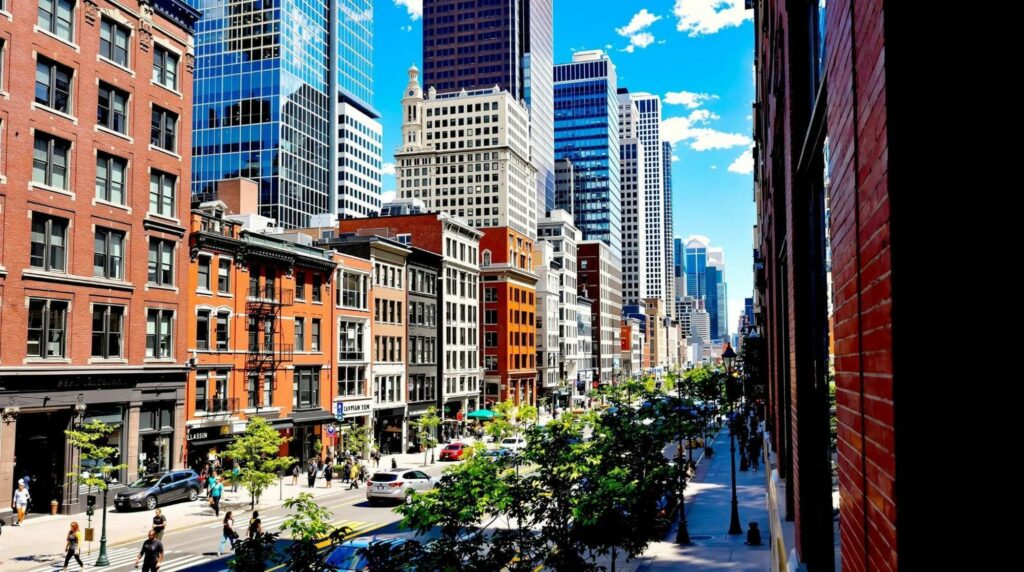
Have you ever strolled through a city and marveled at its architectural wonders, vibrant colors, and bustling streets? Urban landscape photography allows us to frame those everyday moments and showcase the heartbeat of the city. From capturing the gritty textures of brick buildings to the sleek lines of modern skyscrapers, this photography style invites us to reimagine our urban environments in creative ways. So grab your cameras and let’s jump into the world of urban landscape photography.
Understanding Urban Landscape Photography
Urban landscape photography is more than just taking pictures of buildings or streets. It’s about telling a story through the lens. We often find ourselves immersed in a scene, capturing the relationship between humanity and the structures around us. Think of it as a blend of architecture and nature, showcasing how they coexist in harmony or sometimes conflict. This form of photography challenges us to see beyond the obvious. It encourages us to explore urban spaces, noting details that often go unnoticed, like shadows that play against concrete or reflections in glass. These details can transform a mundane shot into a stunning visual narrative.
The Importance of Composition
Composition is vital in urban landscape photography. It acts as the backbone of a great photo. We must consider the rule of thirds, leading lines, and framing to draw the viewer into our photographs effectively. Imagine walking through a bustling city. The eye is naturally drawn to focal points, maybe a landmark or an interesting architectural detail. By organizing our shots around these points, we create a visual pathway that not only directs viewers’ attention but also adds depth. Remember, we have an entire canvas to play with. Balancing the elements within our frame is key to creating a compelling story.
Essential Equipment for Urban Photography
Now, let’s talk gear. Whether we are seasoned pros or weekend warriors, having the right equipment can make a significant difference when shooting urban landscapes. First, a sturdy camera is essential, ideally, one compatible with interchangeable lenses, as it offers versatility. A wide-angle lens can help capture vast cityscapes, while a zoom lens can assist us in honing in on intricate details. A sturdy tripod is also a must-have. It provides stability, especially during low light conditions, ensuring that our pictures remain sharp and free of blur. Don’t forget the importance of extra batteries and memory cards, running out of power or space can cut our creative pursuits short.
Techniques for Capturing Urban Landscapes
Techniques play a crucial role in how we capture urban landscapes. Timing, for example, can transform a scene. Shooting during the golden hour, shortly after sunrise or before sunset, infuses our images with warm, glowing light. Reflections in water or glass can add a dynamic touch to our shots, creating interesting juxtapositions between the city and its environment. Also, we might consider our perspective. Shooting from an elevated point, like a rooftop or a bridge, can provide a thrilling angle that breathes new life into our images. Experimentation is key. Trying various angles, heights, and distances encourages us to find our unique voice in the bustling urban environment.
Post-Processing Tips for Stunning Urban Images
After we’ve captured our stunning urban landscapes, the magic of post-processing begins. Software like Adobe Lightroom or Photoshop can enhance our images dramatically. Adjusting exposure, contrast, and saturation can help amplify the details we want to emphasize. But let’s remember, moderation is our friend. Over-editing can lead to unnatural images that stray from the authentic beauty of the city. Cropping can also help tighten compositions and remove distractions. Think of it as fine-tuning our work to highlight the essence of the scene, we want to preserve the story while enhancing its visual impact.