
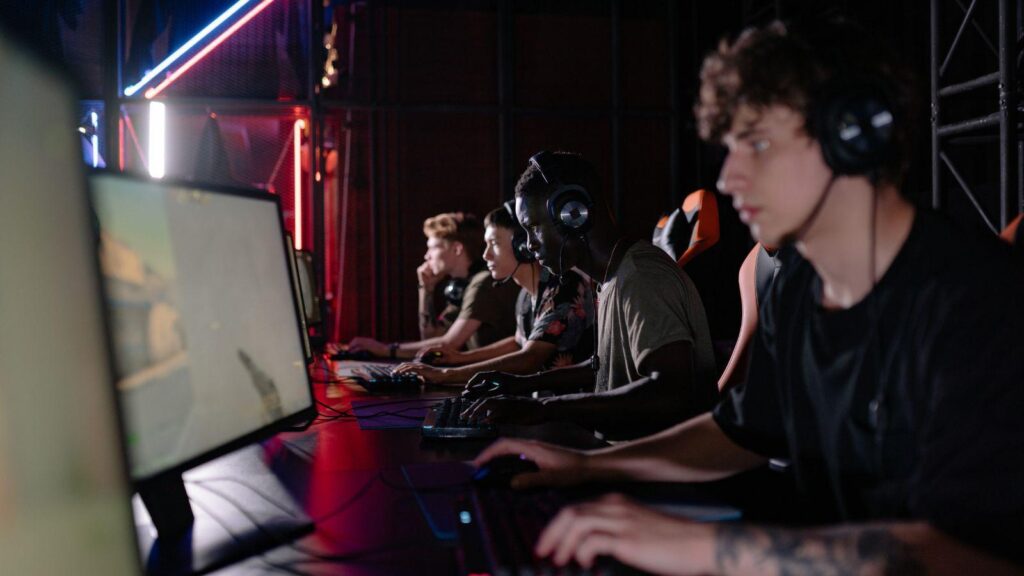
Watch a competitive player at the top of their game and you are watching something closer to a craft than a hobby. The precision looks a lot like what you see in a sculptor’s studio or behind a potter’s wheel: thousands of hours of repetition distilled into movements that seem effortless. And just like any demanding craft, competitive gaming takes a toll on the body and mind of the person doing it. Painters get back problems from hunching over canvases. Musicians deal with repetitive strain. Gamers face their own version of all this, and the ones who last are the ones who treat their health as part of the practice, not an afterthought.
The esports scene has grown into a serious spectator culture too. Fans study rosters, follow tournament brackets, and some check the latest match odds through a Dafabet login before a big final weekend. With that much attention on the players, the pressure to perform is real, which makes good habits even more important. Here is what actually helps.
Sleep is the foundation everything else sits on
There is no habit, supplement, or setup upgrade that compensates for poor sleep. Reaction time, decision making, and emotional control all degrade after even one short night. Competitive players who take the game seriously guard their sleep the way an athlete guards a training schedule. That means a consistent bedtime, screens off for a stretch before sleeping, and treating late-night grinding as the exception rather than the routine. One extra hour of practice on four hours of sleep is worth less than no practice at all.
Your setup is your studio
An artist would never work at an easel that forces them into a painful position for hours. The same logic applies to a gaming desk. Monitor at eye level, elbows at roughly ninety degrees, feet flat, chair supporting the lower back. None of this requires expensive equipment. A folded towel behind your back and a stack of books under a monitor solve most problems for free. Wrist position deserves special attention, since repetitive strain builds slowly and quietly until one day it does not go away.
Practice with intention, not just volume
Ten hours of autopilot queue grinding teaches you less than two hours of focused work on a specific weakness. This is something every serious craftsperson learns eventually. A pianist does not just play pieces start to finish; they isolate the difficult bars and drill them. Competitive players can do the same: review your own replays, pick one recurring mistake, and build sessions around fixing it. Shorter, deliberate sessions also leave room for the breaks your eyes and hands need.
Move your body between sessions
Long sessions in a chair stiffen hips, shorten hip flexors, and round shoulders forward. You do not need a gym membership to counter this. Stand up every hour. Stretch your chest and neck. Take a walk outside where your eyes can focus on something further away than a screen, which matters more for eye health than most people realize. Players who build small movement rituals into their day recover faster and hold their focus deeper into long tournament blocks.
Eat and drink like performance depends on it
Because it does. Dehydration shows up as fatigue and slower reactions long before you feel thirsty, so keep water at the desk and actually drink it. Energy drinks give you a spike and then a crash right when you need stability. Regular meals with real protein beat a day of snacking. None of this is complicated. It is just easy to ignore when you are locked into a ranked climb.
Protect the part of you that wants to play
Burnout is the quiet career ender in competitive gaming. It rarely announces itself. It creeps in as irritation, as dreading queue times, as playing out of obligation instead of hunger. The players with the longest careers tend to have full lives outside the game: other interests, friendships that have nothing to do with rankings, creative outlets that use a different part of the brain. Time away from the game is not lost practice. It is what keeps the practice sustainable.
The bigger picture
There is a persistent myth that suffering is proof of dedication, in gaming as in art. The all-nighter, the skipped meals, the wrecked posture worn like a badge. The reality is less romantic and more useful: the people who perform at the highest level for the longest time are usually the ones taking the best care of themselves. Talent gets you noticed. Habits decide whether you are still around in five years. Treat your body and attention like the instruments they are, and the game gives you a lot more back.